
In 2020, nearly every part of daily life changed.
Businesses and schools closed their doors. Families were asked to stay home. Community organizations had to quickly rethink how they provided services. Isolation became a shared experience, but for survivors of domestic violence, isolation could carry an entirely different meaning.
For someone experiencing abuse, home was not necessarily a place of safety.
As stay-at-home orders took effect and opportunities to connect with friends, family members, coworkers, advocates, and other support systems became limited, survivors faced new and increasingly complicated barriers to reaching help. The uncertainty of the pandemic did not stop domestic violence, and the need for safety and support did not disappear simply because the world had shut down.
The Rose Andom Center knew we had to find a way to keep showing up.
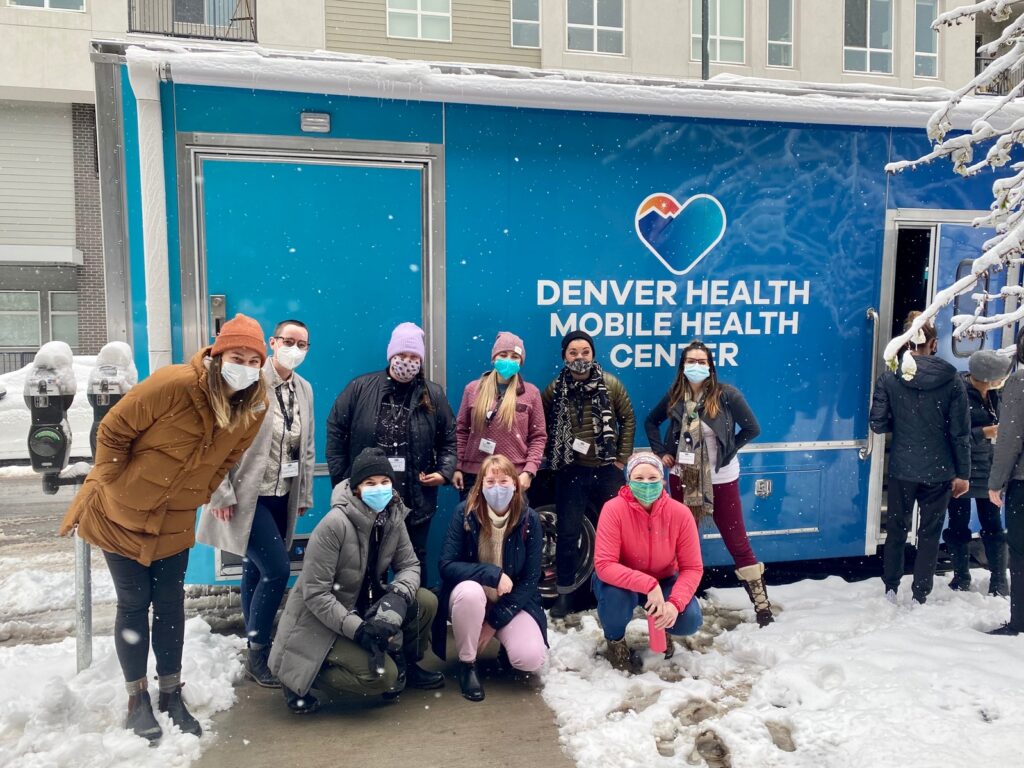
In 2020, our team adapted quickly to continue connecting survivors with critical services while responding to an unprecedented public health crisis. Staff shifted to remote advocacy and virtual intakes, finding new ways to listen, provide information, help survivors understand their options, and connect them with resources from a distance.
But we also knew that virtual support alone would not be enough.
For survivors who needed to leave an unsafe situation, our team worked to help address immediate needs through emergency transportation, hotel stays, and connections to essential community resources. Staff and partners navigated rapidly changing circumstances while remaining focused on one goal: making sure survivors knew that help was still available.
Throughout that year, one truth became especially clear:
Sheltering at home does not mean sheltering in a safe home.
Those words reflected the reality facing survivors throughout our community. While staying home was intended to protect public health, it could also mean spending more time isolated with an abusive partner and having fewer opportunities to safely reach out for help.
That reality challenged us to think differently about what accessibility looked like.
The Rose Andom Center was built around the idea of bringing services together in one physical location so survivors would not have to navigate complicated systems on their own. In 2020, we had to carry that same spirit of coordination beyond the walls of the Center.
The way we delivered services changed, but our commitment to survivors did not.
Our staff continued to answer calls. Advocates continued to listen. Partners continued to collaborate. Transportation was arranged. Safe places to stay were identified. Resources were shared. And day after day, our team found new ways to make sure survivors remained connected to a community of support during a time when connection had become more difficult than ever.
Behind every adaptation were people willing to respond with creativity, compassion, and determination.
The challenges of 2020 reinforced something that had been central to the Rose Andom Center since the beginning: survivor-centered care must be flexible. There is no single path to safety, and there is no single way that survivors seek help. Meeting survivors where they are means being prepared to adapt when circumstances change and continuing to find ways to remove barriers to support.
It also showed the extraordinary strength of collaboration.
Staff, partner agencies, donors, volunteers, and community members came together during an uncertain time to help ensure that survivors were not forgotten or left without options. The systems surrounding our work may have changed almost overnight, but the community behind the Rose Andom Center remained steadfast.
Your generosity helped ensure that survivors were never cut off from support, even during some of the most uncertain days our community had experienced.
Your support helped make emergency transportation possible. It helped connect survivors with temporary safe accommodations and critical resources. It helped our team adapt services quickly and continue providing compassionate, coordinated support when survivors needed it most.
As we reflect on ten years of the Rose Andom Center, 2020 stands as a powerful reminder of resilience.
It reminds us of the resilience of survivors navigating extraordinary circumstances. It reminds us of the dedication of staff and partners who continued showing up in new ways. And it reminds us of what a community can accomplish when we remain committed to one another, especially when the path forward is uncertain.
The lessons of that year continue to shape our work today. They strengthened our understanding of accessibility, flexibility, and the importance of meeting survivors wherever they are. Most importantly, they reinforced a promise that has guided the Rose Andom Center throughout our history: when a survivor reaches out for help, we will do everything we can to ensure they are not facing what comes next alone.
On October 17, we invite you to join us at the Rose Andom Center’s 10th Anniversary Gala as we reflect on this extraordinary chapter in our history and honor the resilience, courage, and community that carried our mission forward.
Together, we will celebrate ten years of standing with survivors and look toward a future where safety, support, and hope remain within reach, no matter what challenges arise.

The Rose Andom Center’s 10th Anniversary Reflections of Hope Gala is officially sold out!
Thank you for the incredible support. We can’t wait to celebrate 10 years of hope, healing, and impact with you on October 17.
Already registered? If you need to submit guest information or have questions about the event, please contact Amanda or Kari.
The Rose Andom Center will be closed on Thursday, October 1st, from 9:00am – 12:00pm to host the Domestic Violence Awareness Month Walk. Normal operations will resume at 12:00pm.
If you need additional support during this time, please contact the National Domestic Violence Hotline at 800-799-SAFE (7233) or SafeHouse Denver’s crisis line at 303-318-9989. If you are in immediate danger, please contact 911.
Aviso de Cierre del Rose Andom Center
El Rose Andom Center estará cerrado el jueves 1 de octubre, de 9:00am a 12:00pm, para realizar la Caminata del Mes de Concientización sobre la Violencia Doméstica. Las operaciones normales se reanudarán a las 12:00 p. m.
Si necesita apoyo adicional durante este tiempo, por favor comuníquese con la Línea Nacional de Violencia Doméstica al 800-799-SAFE (7233) o con la línea de crisis de SafeHouse Denver al 303-318-9989. Si se encuentra en peligro inmediato, por favor llame al 911.